
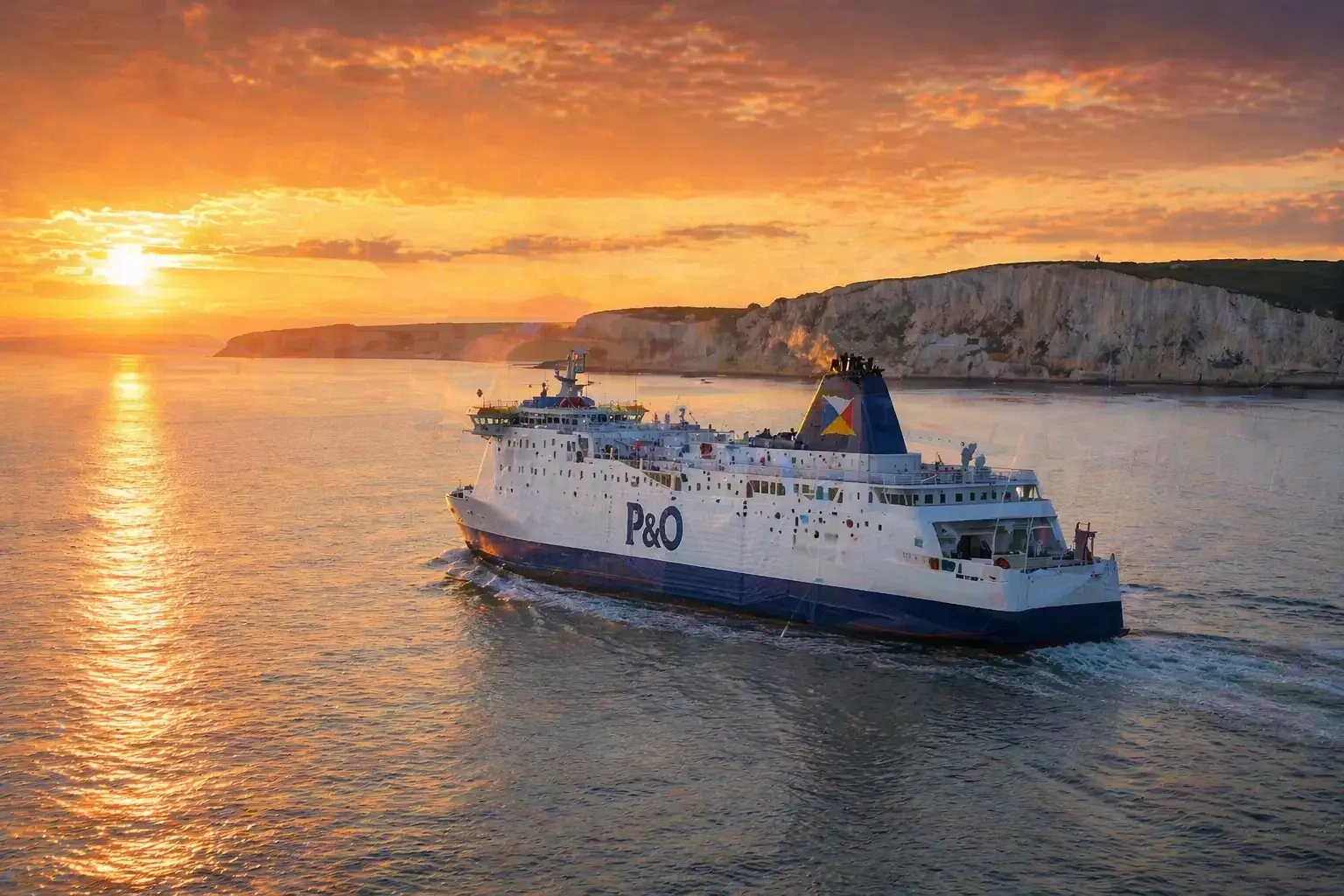

This Ferry vs Eurotunnel Guide comes from a few years of figuring out what works best for us when we head into Europe with our caravan. We’ve used both crossings but once we started taking Le Shuttle every time we tow our caravan, that quickly became our normal routine. It suits the way we travel, it takes a lot of stress out of the first day, and it lets us get on with the journey rather than feeling like the crossing is the main event.
There is nothing wrong with the ferry, and we can completely understand why some people still prefer it. It can feel more relaxed, it can fit certain routes better, and there is definitely something nice about standing on deck with a coffee while the coast disappears behind you. Even so, that has never really been us when we are towing. We always found ourselves wanting the easiest and quickest route through, especially when we already knew we planned to land in France and keep driving.
Choose the Speed of the Eurotunnel in Our Ferry vs Eurotunnel Guide

When we head to Folkestone, the big thing we notice is how straightforward the whole process feels. In this part of our crossing comparison, that simplicity stands out straight away. We book on Le Shuttle, follow the signs for over-height vehicles, and usually settle into the check-in routine without much fuss at all. The staff keep things moving, the layout makes sense, and it never feels like we are about to start some drawn-out ordeal before the holiday has even really begun.

Once we are in the lane and waiting for boarding, it all tends to move along pretty smoothly. One of the biggest reasons we prefer the tunnel is that we stay with the car and caravan the whole time. We do not need to unload bits and pieces, wander through a terminal, or kill time in a busy waiting area. Instead, we just board, settle in, and know we will be rolling off again not long after.
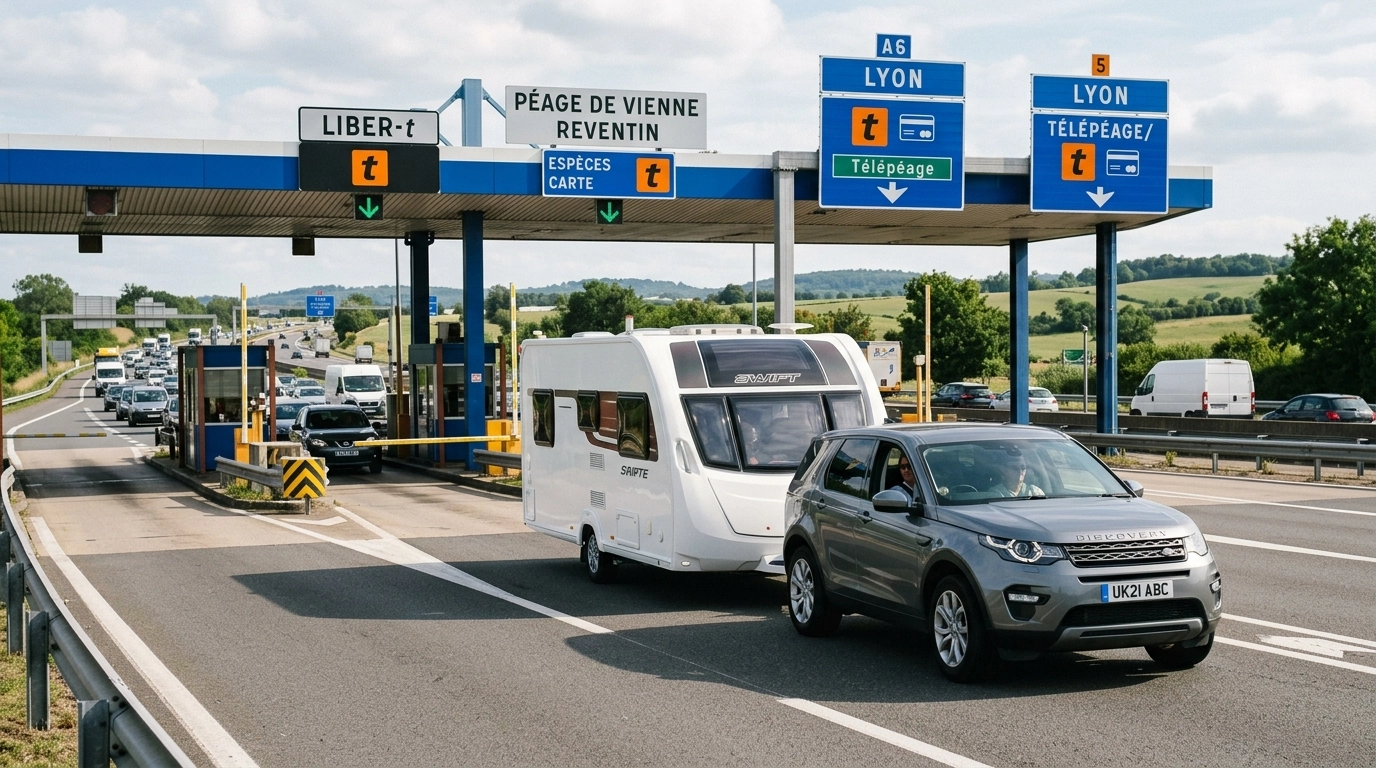
That short crossing makes a massive difference for us. We usually use the time to sort a drink, check the route, and get ourselves ready for the long haul ahead. Then we come off in Calais and get straight onto the motorway. We always drive for eight hours immediately after arriving in France, so the speed and simplicity of Le Shuttle fits our travel style perfectly.
Embrace the Relaxation of the Ferry in This Ferry vs Eurotunnel Guide

The ferry still has its place, and we would never pretend otherwise. In our Ferry vs Eurotunnel Guide, this is the part where the ferry starts to make a stronger case. If you are sailing from Dover, Portsmouth, or Plymouth, it can be a good option depending on where you are heading, and it is always worth checking P&O Ferries or Brittany Ferries to see what works best for your route. For some trips, especially longer ones into western France or Spain, it can make a lot of sense.
From our side, though, ferry travel never quite clicked once the caravan was involved. We never loved the feeling of parking up, leaving the outfit behind, and going through the whole terminal routine before finally getting onboard. That said, we still see why plenty of people enjoy it. There is more space to wander, more chance to stretch your legs, and more of that classic holiday feeling before you even reach the other side.
For us, it simply comes down to momentum. When we are towing, we want the crossing to be as easy as possible so we can get into France and start covering miles. That is why the tunnel keeps winning for us, even though we can still appreciate what the ferry offers.
Consider the Dog Factor
Pet travel is one of those things that really depends on your setup and your dog. In any ferry vs eurotunnel guide comparison, it can easily become one of the biggest deciding factors. We do have a dog, but she stays at home when we travel abroad, so anything here is only general advice rather than something we have done ourselves on these crossings. It is always worth checking the latest rules with the operator, because they can change and they are not always the same from one route to another.
From what we have seen, Eurotunnel often looks like the easier option for people travelling with a dog because pets usually stay with you in the vehicle. That has to make things feel calmer for most dogs, especially if they are happier in familiar surroundings. On the ferry side, arrangements can vary a lot more. Some operators have kennels, some expect pets to stay in the vehicle, and some offer pet-friendly cabins, which can be a much better option on longer sailings.
Whatever route you go for, it makes sense to plan ahead, keep water handy, and make sure your dog has had a proper walk before check-in. We have not done it ourselves, but we know it can make a big difference to how smooth the journey feels. If you want a bit more of our general travel life, have a look at our Gallery.
Compare the Costs for Your Budget in Our Ferry vs Eurotunnel Guide
Cost is where the decision gets a bit more interesting, because the cheapest option on paper is not always the cheapest once the whole trip is taken into account. In this Ferry vs Eurotunnel Guide, that is often where the choice becomes much clearer for us. Ferry fares can look really tempting at first glance, but that can change once you add extra fuel, extra time on the road, or a longer drive to a different port. Sometimes what looks like a saving ends up feeling less attractive when you look at the full day.
Eurotunnel often costs more, and we have definitely seen that ourselves. Even so, we usually come back to the same conclusion: the extra cost feels worth it for the convenience. Because we want to get off the train and push on for eight hours in France, we would rather spend a bit more and keep the day simple. That is the bit that matters most to us.
Plan Your Arrival in Europe: Final Thoughts

Our usual approach after arriving in France is probably not for everyone, but it works brilliantly for us. In our Ferry vs Eurotunnel Guide, this is really where our choice makes the most sense. We do not stop near the port or look for an easy first-night campsite. We come off the train, join the motorway, and settle straight into a long driving day. Because the tunnel crossing is so quick and easy, we feel ready to keep moving rather than feeling like we need a break straight away.
Once we are on the French motorways, the trip starts to open up properly. We keep passports and documents handy, get the sat nav sorted before we leave, and slip back into driving on the right soon enough. There is always that nice point where the crossing is behind us, the road stretches out ahead, and it feels like the real trip has finally begun.
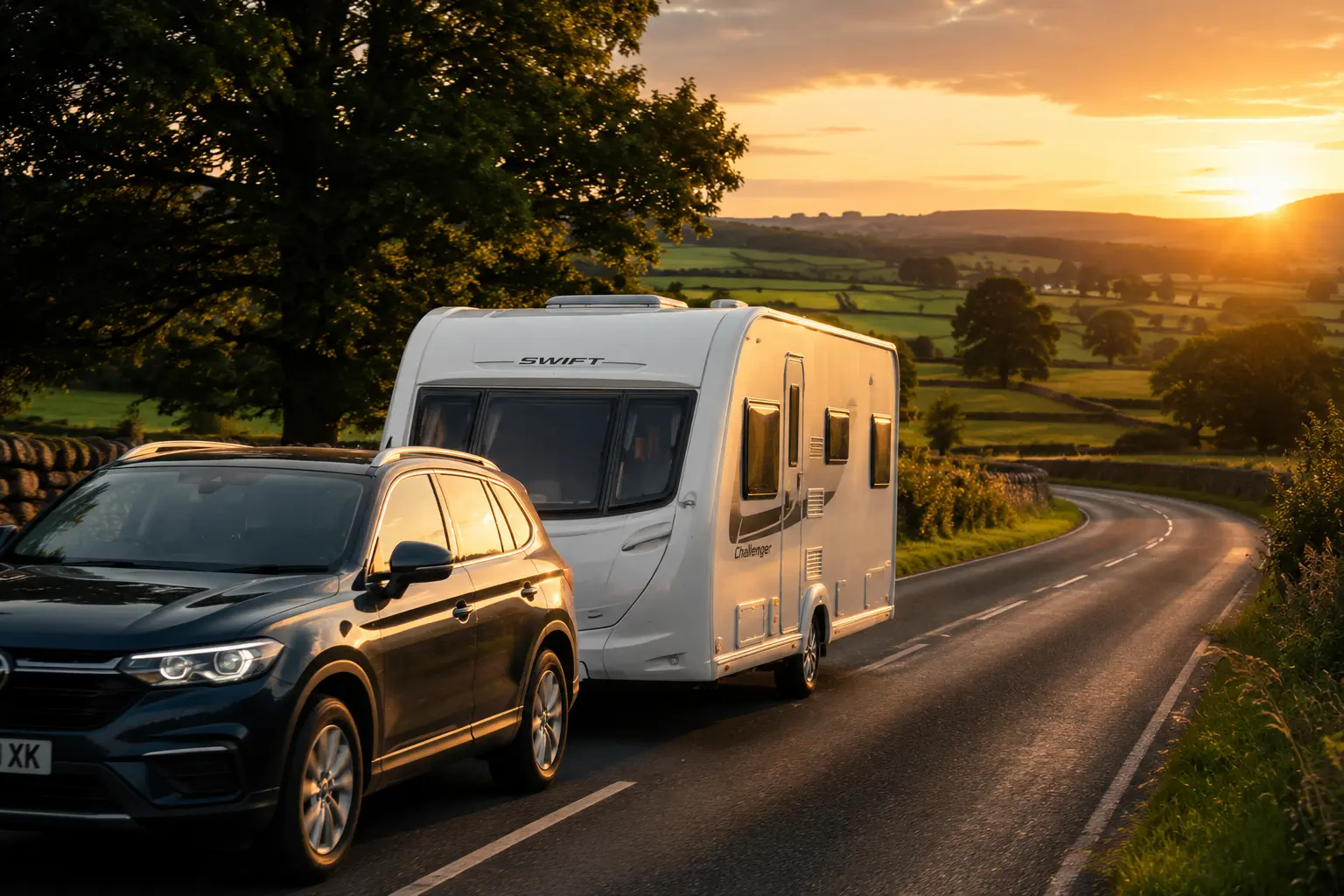
We put this into practice every year, and that is probably the clearest reason we keep choosing the same setup. Last year, we took Le Shuttle for our long haul down to the South of France for our stay at Riviera d’Azur. The year before that, we did exactly the same for our Brittany trip to Les Menhirs. It just works for us.


One Response
🚢 We’ve gone back and forth on this debate more times than we’ve actually crossed the Channel ourselves. Which side of the fence do you sit on when it’s time to head to the Continent with the home on wheels in tow?
It really seems to come down to whether you value the extra space of the deck or the pure speed of the rails. We’d love to hear which one usually wins for your summer trips! 🚐