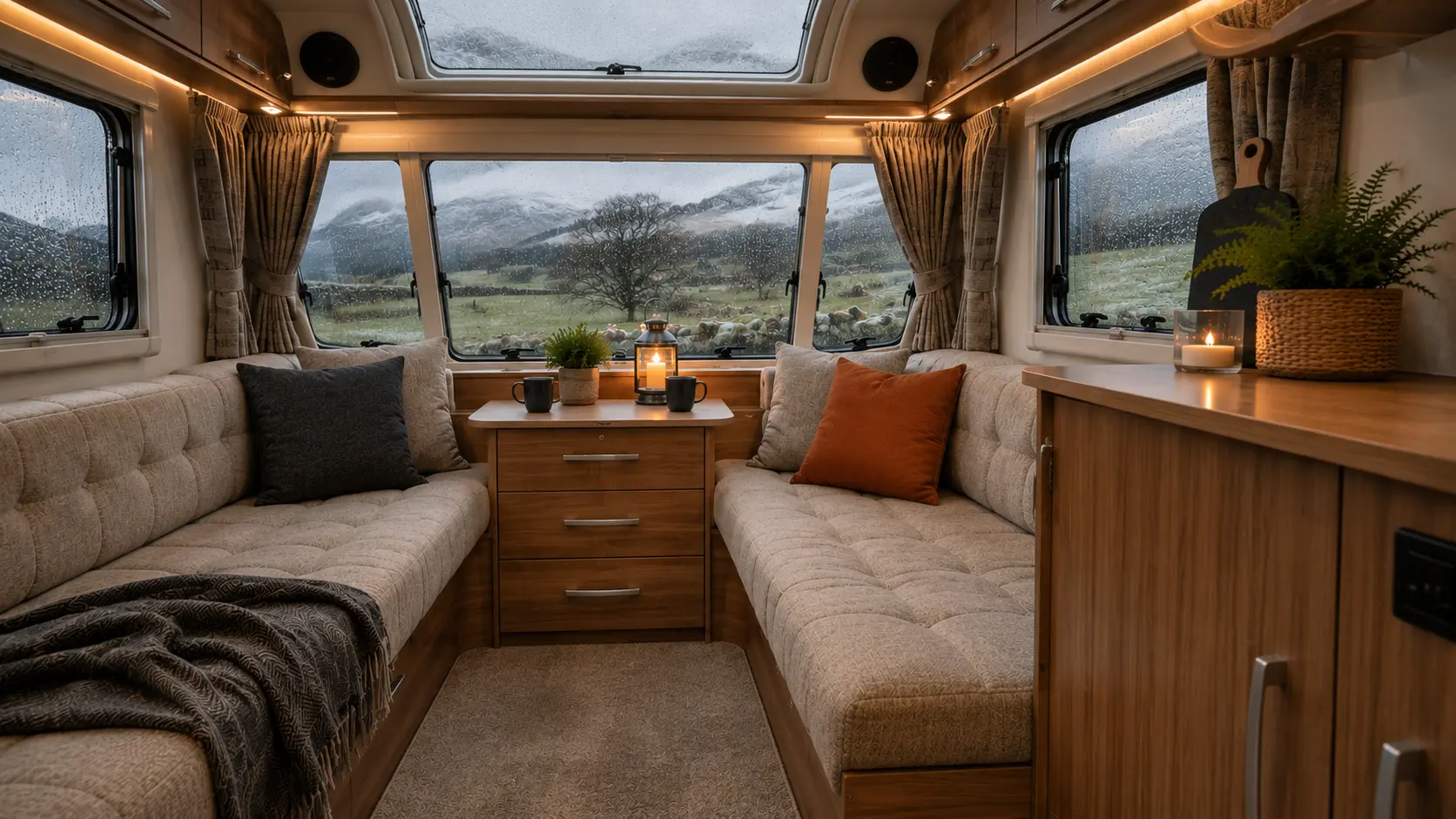
This Caravan Heating Guide for Beginners explains everything you need to know about keeping your caravan warm and comfortable throughout the touring season. Whether you’re new to caravanning or simply want to understand how your heating system works, this guide will help you get the best performance from your setup. Whether you’re touring during a cool summer evening, enjoying autumn weekends away, or extending your adventures into winter, a reliable heating system can make a huge difference.
This Caravan Heating Guide for Beginners explains the different heating systems found in modern caravans, how they work, how to use them efficiently, and how to stay warm throughout the touring season.
Why Caravan Heating Matters
British weather is famously unpredictable. Even during the height of summer, overnight temperatures can drop significantly. As a result, having an effective heating system helps make your caravan far more comfortable.
Good caravan heating can:
- Keep the caravan warm during colder weather.
- Reduce condensation.
- Improve comfort during spring and autumn trips.
- Extend your touring season.
- Help protect your caravan from moisture-related issues.
Furthermore, understanding how your heating system works can help you reduce energy consumption and avoid common operating mistakes.
Types of Caravan Heating Systems
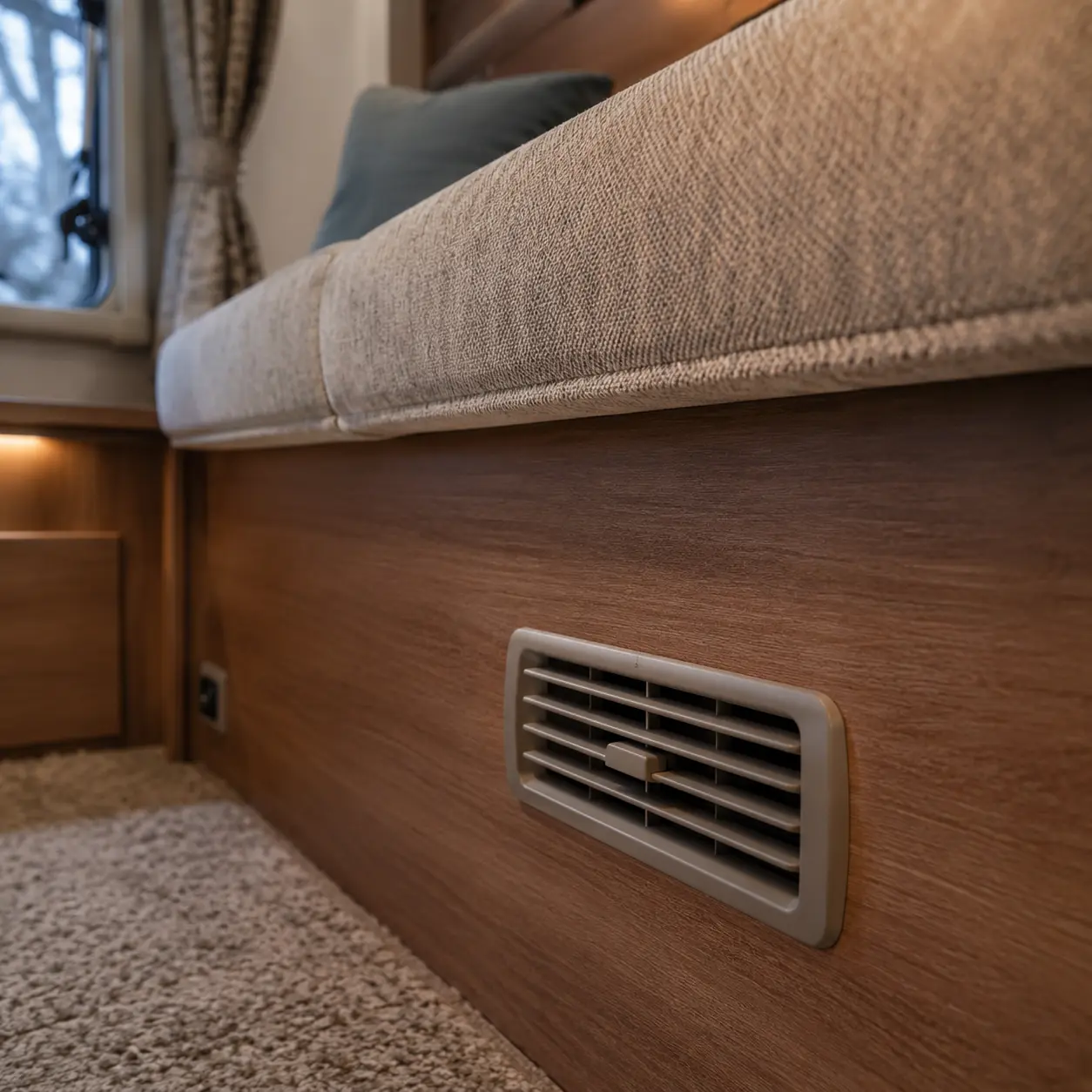
Most modern touring caravans use one of two main heating systems: blown air heating or wet central heating.
Blown Air Heating
Blown air heating works by warming air inside a central heater unit before distributing it around the caravan through a series of ducts and vents.
This type of system is popular because it warms the caravan quickly. Therefore, many touring caravans use blown air heating as standard.
Advantages include:
- Fast warm-up times.
- Simple controls.
- Lightweight design.
- Good heat distribution.
- Lower overall system weight.
Wet Central Heating

Wet central heating works in a similar way to domestic central heating. A boiler heats a special fluid which circulates around radiators positioned throughout the caravan.
As a result, the heat feels more even and consistent. In addition, wet heating systems are often quieter than blown air alternatives.
Advantages include:
- Even heat throughout the caravan.
- Excellent winter performance.
- Quiet operation.
- Premium comfort levels.
- Reduced hot and cold spots.
Gas Heating vs Electric Heating
Most caravan heating systems can operate using gas, electricity, or a combination of both.
Gas Heating
Gas heating is particularly useful when touring away from mains electricity. It provides excellent heat output and is often the preferred option during very cold weather.
However, gas consumption increases as temperatures fall. Therefore, it is important to monitor your gas levels during extended trips.
Many caravanners choose propane gas for winter touring because it performs better in lower temperatures.
Electric Heating
Electric heating uses power supplied through your campsite hook-up.
Consequently, many caravanners use electric heating whenever they are staying on serviced pitches. Electric heating is simple to use and avoids consuming gas supplies.
However, some campsites have lower electrical limits, which may restrict how much heating power can be used alongside other appliances.
Using Gas and Electric Together
Many modern caravan heating systems allow both gas and electric heating to operate together.
This combination mode provides faster warm-up times and improved performance during colder conditions. As a result, many caravanners use this setting during autumn and winter trips.
How Heat Is Distributed Around the Caravan
Once heat has been generated, it needs to be distributed effectively throughout the caravan.
Heating systems typically provide warmth to:
- The lounge area.
- The kitchen.
- The bedroom.
- The washroom.
- Storage areas.
Furthermore, some caravans use heating ducts around water pipes and tanks to help prevent freezing during cold weather.
How to Use Caravan Heating Efficiently
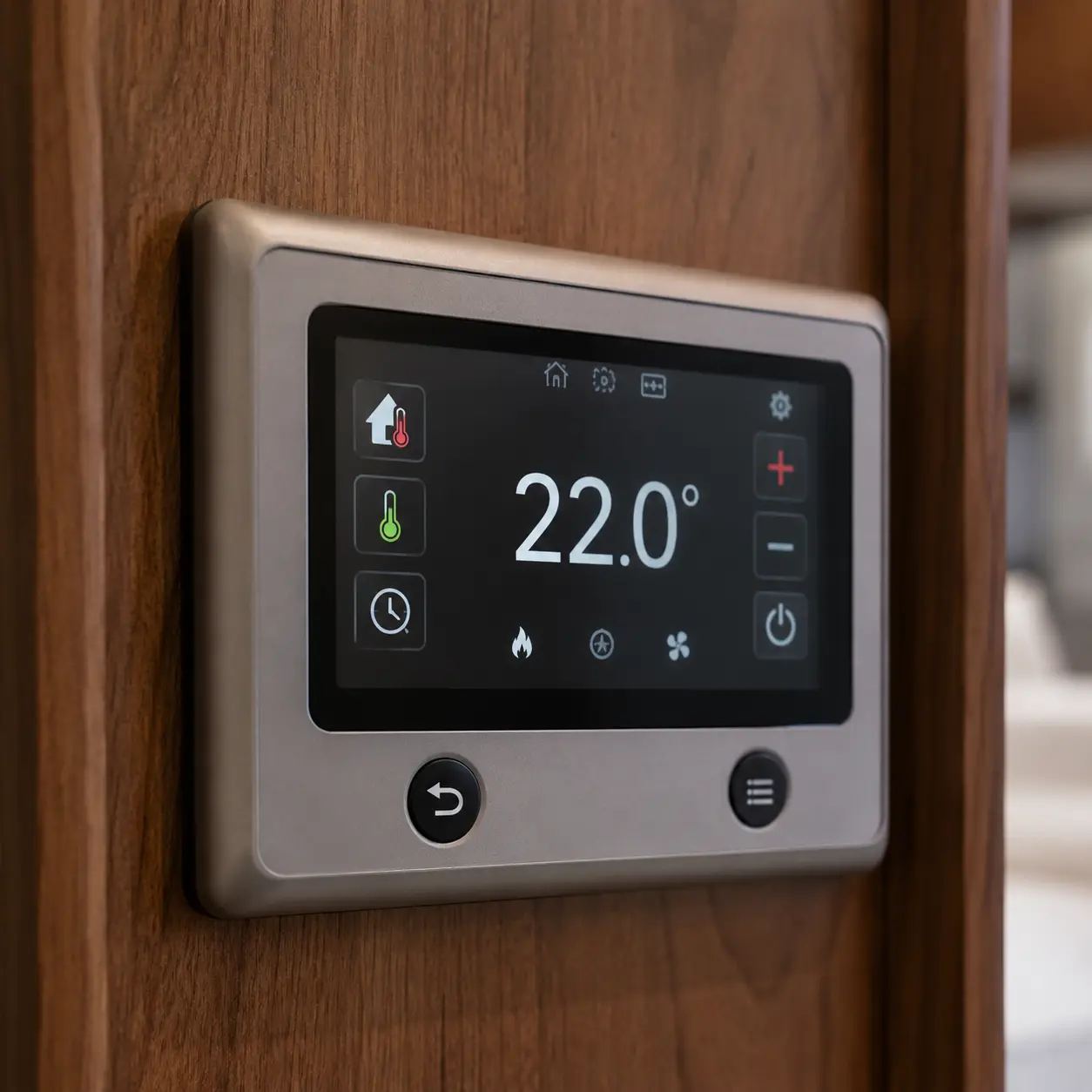
Efficient heating is about more than simply increasing the temperature setting.
To maximise efficiency:
- Keep heating vents clear.
- Close blinds and curtains at night.
- Check door and locker seals.
- Maintain a steady temperature.
- Allow gentle ventilation.
- Avoid blocking airflow around vents.
These simple steps help reduce energy usage while maintaining comfort throughout the caravan.
Caravan Heating and Condensation
Heating plays an important role in controlling condensation. However, heating alone is not enough.
Condensation occurs when warm moist air comes into contact with cold surfaces such as windows and walls.
Therefore, heating should always be used alongside proper ventilation.
To reduce condensation:
- Keep roof vents slightly open.
- Ventilate when cooking.
- Avoid drying clothes inside.
- Maintain a consistent temperature.
- Use extractor fans where available.
Common Caravan Heating Problems
The Heating Will Not Start
If the heating refuses to start, check:
- Gas supply.
- 12V power supply.
- Control panel settings.
- Error codes on the display.
Poor Heat Output
Poor heating performance may be caused by blocked vents, restricted airflow, low gas pressure or incorrect settings.
Uneven Heating
If some areas feel colder than others, check that luggage, bedding or furniture are not obstructing vents or ducts.
Heating Cuts Out
This may indicate overheating protection, poor ventilation or a power supply issue.
Caravan Heating Maintenance Tips
Regular maintenance helps ensure reliable performance and reduces the likelihood of breakdowns.
Good maintenance includes:
- Cleaning heating vents.
- Inspecting ducting for damage.
- Checking external flues.
- Testing the heating before every trip.
- Having gas appliances inspected as part of routine caravan servicing.
Winter Touring Heating Tips

Modern caravans can remain surprisingly comfortable during winter. However, additional preparation is often required.
Before winter touring:
- Carry sufficient gas supplies.
- Check your leisure battery.
- Pre-heat the caravan before bedtime.
- Monitor condensation carefully.
- Use insulated water equipment where appropriate.
In addition, ensure your heating system is fully operational before setting off.
Is Caravan Heating Safe?
Modern caravan heating systems include numerous safety features. Nevertheless, they should always be used correctly. For additional gas safety guidance and advice on maintaining gas appliances, the National Caravan Council provides useful information for caravan owners.
Always:
- Keep flues clear.
- Maintain adequate ventilation.
- Use equipment according to manufacturer instructions.
- Install a carbon monoxide alarm.
- Have gas appliances inspected regularly.
When properly maintained, caravan heating systems are extremely safe and reliable.
Caravan Heating Guide for Beginners FAQ
Can I leave caravan heating on overnight?
Yes. Modern caravan heating systems are designed to operate safely overnight when used correctly.
Which caravan heating system is best?
Both systems work well. Blown air heating offers faster warm-up times, while wet central heating provides quieter and more even warmth.
Can I run heating on electric only?
Yes. Most modern systems allow electric-only operation when connected to a campsite hook-up.
Does heating reduce condensation?
Yes. However, heating should always be combined with good ventilation for the best results.
How much gas does caravan heating use?
Usage varies depending on outside temperature, caravan size, insulation and heating settings. Consequently, winter touring typically uses more gas than summer touring.
Final Thoughts
Understanding your heating system is an important part of becoming a confident caravanner. Whether your caravan uses blown air heating or wet central heating, knowing how the system works will help you stay warm, comfortable and prepared throughout the year.
With sensible operation and regular maintenance, your caravan heating system can significantly improve your overall touring experience.
Related Guides
- Caravan Gas Bottles Explained: A Beginner’s Guide
- Caravan Water System Explained for Beginners
- Caravan Hook-Up Guide for Beginners
- Touring Caravan Checklist Before Leaving Home
- Best Caravan Sites UK 2026 Guide
Discover More from Caravan Adventuring
Whether you’re searching for campsite reviews, travel diaries, touring advice or caravan setup guides, we’ve got plenty more content to help you plan your next adventure.
Browse Our Full Content Library →
Suggest Our Next Campsite Review
We’re always looking for great campsites to visit and review.
If you’ve found a hidden gem or a campsite you think deserves more attention, let us know.