Caravan roof vents play an important role in keeping your touring caravan comfortable, bright and properly ventilated. They allow warm, moist air to escape while bringing natural light into the living space. However, damaged seals, stiff mechanisms and cracked domes can cause problems if they are ignored.
This beginner’s guide explains how caravan roof vents work, the different types available and how to use them correctly. It also covers cleaning, maintenance, leaks and common faults.
What Is a Caravan Roof Vent?
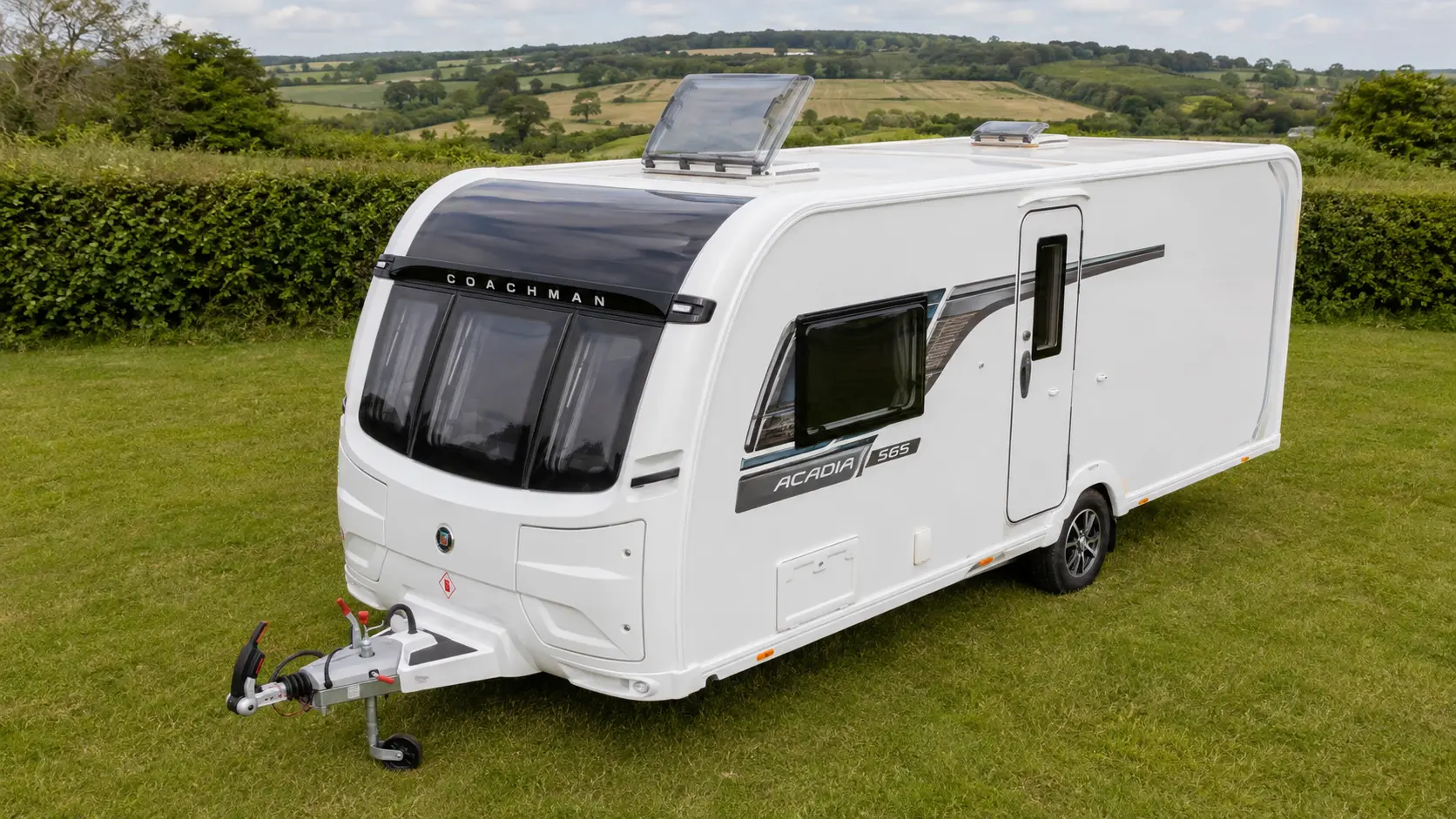
A caravan roof vent is an opening fitted into the roof of a touring caravan. It usually includes a transparent or tinted dome that can be raised to increase airflow.
Roof vents are also commonly called rooflights, roof windows or skylights. Although these terms are often used interchangeably, individual products can have different features.
A basic roof vent may provide ventilation without offering a clear view outside. In contrast, a larger rooflight can bring more daylight into the caravan and may provide a wide opening.
Many modern designs also include a flyscreen and blackout blind. Some premium versions have built-in fans or electric opening systems.
Why Are Caravan Roof Vents Important?
Caravan roof vents provide several useful benefits. Most importantly, they help replace stale indoor air with fresh air.
Warm air naturally rises. Therefore, opening a roof vent allows heat and moisture to escape from the highest part of the caravan.
This ventilation can make the interior more comfortable when you are cooking, showering or sleeping. It can also help control condensation during colder weather.
Roof vents provide:
- Fresh airflow through the caravan
- An escape route for warm and humid air
- Extra natural light
- Improved comfort during hot weather
- Ventilation while cooking or showering
- Help with managing condensation
However, a roof vent should not be treated as a substitute for safe appliance use. Always follow the ventilation and safety instructions supplied with your caravan and appliances.
Permanent Ventilation Explained
Some caravan roof vents include permanent ventilation. This feature allows a controlled amount of air to pass through the vent, even when the dome appears closed.
Manufacturers may describe this feature as forced ventilation or permanent airflow. It forms part of the caravan’s overall ventilation system.
However, not every roof vent provides permanent ventilation. Some models are sold in both ventilated and non-ventilated versions. Therefore, two similar-looking rooflights may work differently.
Never block, seal or cover a permanent ventilation opening. Doing so could reduce the airflow that the caravan manufacturer intended to provide.
If you are unsure which type is fitted, check the product label and caravan handbook. A dealer or approved caravan technician can also identify it.
Main Parts of a Caravan Roof Vent
Understanding the main components makes it easier to identify faults and order the correct replacement parts.
Outer Dome
The outer dome sits above the caravan roof. Manufacturers usually make it from lightweight acrylic or another durable plastic.
Depending on the model, the dome may be clear, tinted or opaque. It must withstand sunlight, rain, temperature changes and airflow while towing.
Opening Mechanism
The opening mechanism raises and lowers the dome. Common designs use winding handles, operating bars, levers or telescopic supports.
These parts should move smoothly without excessive force. A stiff or uneven mechanism may need cleaning, adjustment or professional attention.
Internal Frame
The internal frame covers the edge of the roof opening inside the caravan. It often contains the controls, blind and flyscreen.
Flyscreen
A flyscreen allows fresh air to enter while helping to keep insects outside. It may slide, roll or clip into position.
Dust can collect in the mesh over time. As a result, airflow may reduce unless the screen is cleaned regularly.
Blackout Blind
A blackout blind reduces sunlight and provides privacy. It can also help keep the interior darker during early summer mornings.
Some rooflights have separate flyscreens and blinds. Others use a combined system that joins in the centre.
Sealing System
The seal between the outer frame and caravan roof helps prevent rainwater from entering. The installation may use a sealing strip, bedding compound or manufacturer-approved sealant.
The correct sealing method depends on the rooflight and caravan construction. Therefore, you should not assume that one sealant suits every installation.
Common Types of Caravan Roof Vents
Roof vents come in several sizes and designs. The original installation will depend on the caravan’s layout, roof construction and ventilation requirements.
Small Roof Vents
Small vents are often fitted above bathrooms, kitchens or compact areas. They provide useful ventilation without taking up much roof space.
Some models include permanent ventilation, while others rely entirely on the opening dome.
Standard Rooflights
Standard rooflights are commonly fitted above seating areas and kitchens. Many use a winding handle or operating bar.
They usually include an internal flyscreen and blackout blind. Several opening positions may also be available.
Large Panoramic Rooflights
Large rooflights bring more daylight into the lounge area. They can make a caravan feel brighter and more spacious.
However, their larger domes and operating systems can make replacement more expensive. They may also need extra care in strong winds.
Fan-Assisted Roof Vents
A fan-assisted vent can actively move air into or out of the caravan. This feature is useful during warm weather or while cooking.
Powered vents require an electrical supply and may include speed controls. Always switch off the fan before cleaning it.
How to Use Caravan Roof Vents Correctly
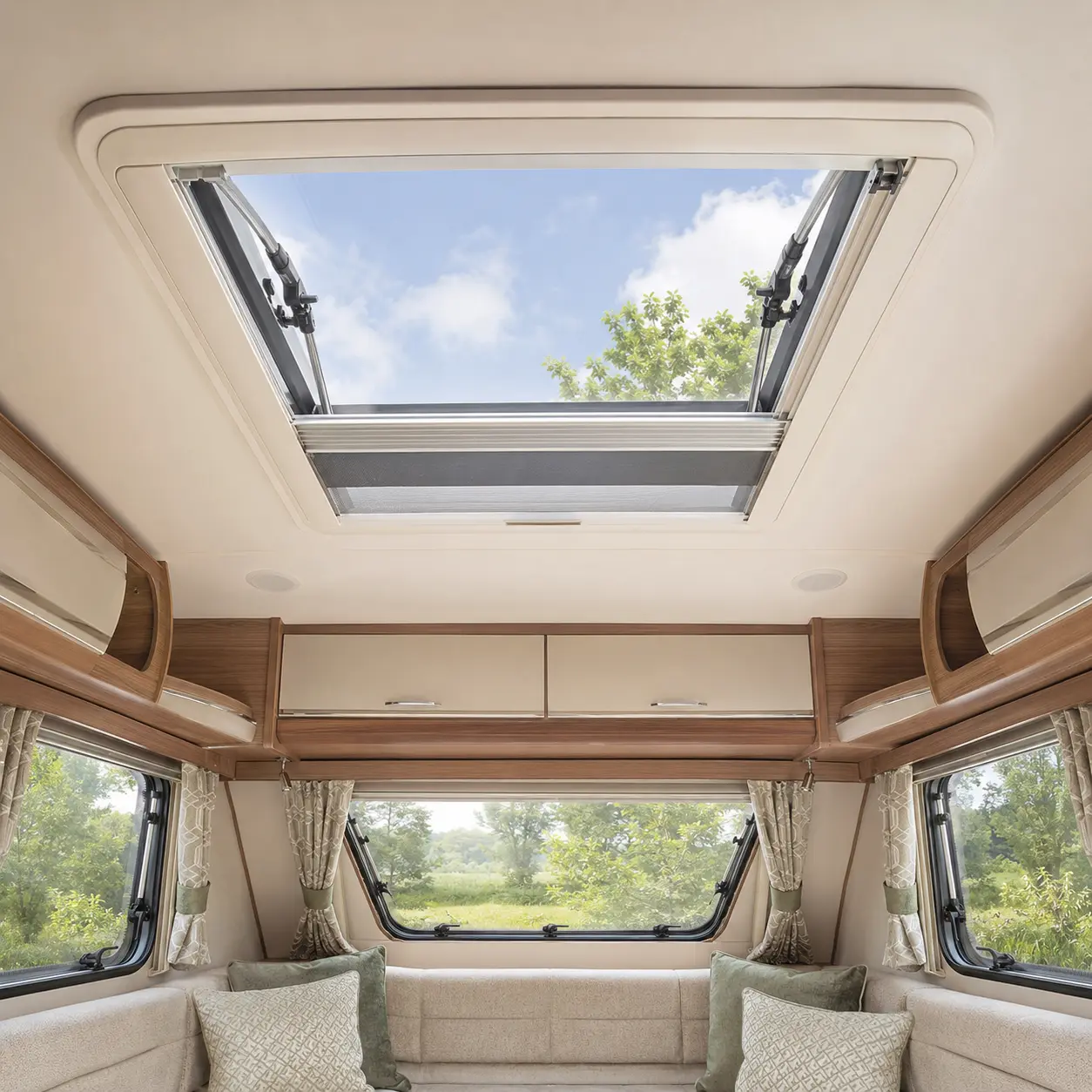
Roof vents are usually simple to operate. Even so, forcing a handle or ignoring the weather can damage the mechanism.
Before opening a vent, check that nothing is resting on the blind or flyscreen. Then release any catches and use the correct handle, bar or lever.
Stop when the vent reaches its designed opening position. Do not force it beyond that point.
When closing the vent, make sure the dome lowers evenly. Check that all catches are secure before towing.
Before Travelling
Close and secure every opening rooflight before moving the caravan. Check the catches from inside rather than relying on appearance alone.
An unsecured dome can lift while travelling. This may damage the rooflight and create a serious hazard for other road users.
Always follow the instructions for your particular model. Permanent ventilation can still operate while the rooflight is correctly closed.
During Strong Winds
A wide-open rooflight can catch sudden gusts. Therefore, reduce the opening or close it when strong winds are expected.
Wind direction can also change while you are on a pitch. Check open vents regularly during unsettled conditions.
During Rain
Some rooflights can remain slightly open during light rain. However, wind can drive water beneath the raised dome.
Close the vent if rain begins to enter. You should also check the manufacturer’s instructions before leaving it open unattended.
Using Roof Vents to Reduce Condensation
Condensation forms when warm, moisture-filled air meets a colder surface. Cooking, showering, breathing and drying wet clothing all add moisture to the air.
Opening caravan roof vents slightly can help this moist air escape. Opening another suitable vent or window can also create useful cross-ventilation.
The National Caravan Council recommends increasing ventilation if windows begin to mist. Its guidance suggests opening windows or a roof vent slightly while keeping the habitation door closed to retain warmth.
You can read the National Caravan Council guidance on condensation and ventilation for further information.
To reduce condensation:
- Open a roof vent while cooking
- Use the kitchen extractor fan if fitted
- Ventilate the washroom after showering
- Avoid drying wet clothing inside when possible
- Keep fixed ventilation openings clear
- Maintain gentle airflow during cold-weather touring
Heating alone does not remove moisture. In fact, warm air can hold more water vapour. Ventilation is still needed to let that moisture escape.
How to Clean Caravan Roof Vents
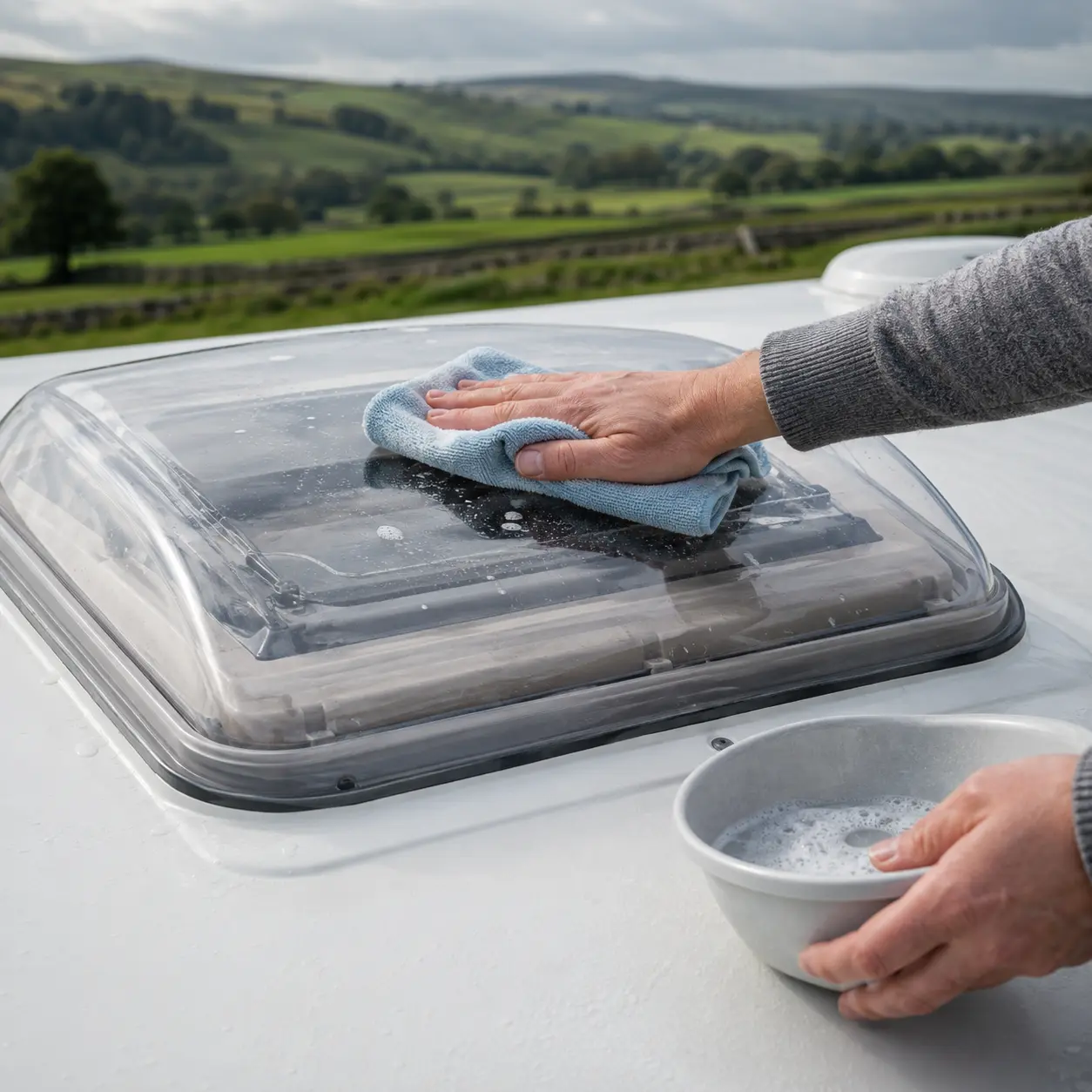
Regular cleaning helps the dome, hinges and screens continue to work correctly. It also provides an opportunity to spot early damage.
Start by checking the instructions for your rooflight. Different manufacturers may specify particular cleaning products and methods.
Cleaning the Dome
Remove loose dust with plenty of clean water. Then use a soft cloth or sponge with a mild cleaning product approved for acrylic surfaces.
Avoid abrasive pads, harsh household cleaners and solvent-based products. Petrol, alcohol and unsuitable chemicals may damage or weaken acrylic.
Do not scrape stubborn dirt away with a hard or sharp object. Instead, soften it with water and clean it gently.
Cleaning the Frame
Wipe the internal and external frame with a soft, damp cloth. Remove leaves, twigs and other debris from around the closing edge.
Debris trapped between the frame and dome can stop a rooflight from closing fully. It may also place pressure on the mechanism.
Cleaning the Flyscreen
Use a soft brush or low-powered vacuum to remove dust from the flyscreen. Support the mesh while cleaning it to avoid stretching it.
If the screen can be removed, follow the manufacturer’s instructions. Do not dismantle a sprung roller unit unless you understand its mechanism.
Cleaning the Blind
Dust the blind gently with a soft cloth. Avoid soaking pleated materials because water may mark them or damage their shape.
Allow all parts to dry before closing the blind for storage.
Caravan Roof Vent Maintenance Checks
Include roof vents in your regular caravan inspections. A quick check before each trip can prevent a small fault from becoming a larger problem.
From inside the caravan, check:
- The handle or operating bar moves smoothly
- The dome opens evenly
- Each catch closes securely
- The flyscreen moves without snagging
- The blackout blind operates correctly
- There are no water stains around the frame
- The surrounding ceiling feels dry and firm
From outside, inspect the dome and frame when it is safe to do so. Look for cracks, impact damage, distortion and deterioration around the sealing area.
Do not climb onto the caravan roof unless the manufacturer confirms that it is designed to support you. Use safe access equipment and avoid placing weight on unsupported roof panels.
Common Caravan Roof Vent Problems
Age, sunlight, dirt and accidental damage can all affect caravan roof vents. Finding the cause early often limits further damage.
The Roof Vent Is Difficult to Open
A build-up of dirt can make the mechanism feel stiff. Misaligned components or damaged gears can cause similar symptoms.
First, inspect the visible parts and remove loose debris. Do not force the handle because this may strip its gears or crack another component.
Only apply lubricant if the manufacturer recommends a suitable product. The wrong lubricant can attract dirt or damage plastic parts.
The Roof Vent Will Not Close Properly
Leaves or twigs may be trapped between the dome and frame. A damaged hinge, support arm or winding mechanism can also prevent closure.
Remove visible debris and try the mechanism gently. If the dome remains uneven, arrange an inspection before towing.
The Flyscreen or Blind Will Not Retract
A blind may leave its guide rail or lose tension. Dirt can also stop the sliding components from moving freely.
Avoid pulling the blind with excessive force. Replacement cartridges and other spare parts are available for many popular rooflights.
The Roof Vent Rattles
Rattling may come from a loose blind, worn catch or unsecured operating component. It may also indicate that the rooflight is not fully closed.
Check every catch before travelling. If the noise continues, have the rooflight examined for worn or missing parts.
The Dome Has Become Cloudy
Acrylic can become cloudy because of age, ultraviolet exposure or unsuitable cleaning chemicals. Fine surface damage may also reduce clarity.
Use only products approved for acrylic rooflights. A badly degraded or brittle dome may need replacement.
The Dome Is Cracked
Impact damage, age and stress can cause cracks. Even a small crack can spread as the rooflight moves and experiences temperature changes.
Do not rely on ordinary household tape as a permanent repair. Ask a caravan specialist whether the dome or complete rooflight needs replacing.
What Causes a Leaking Caravan Roof Vent?
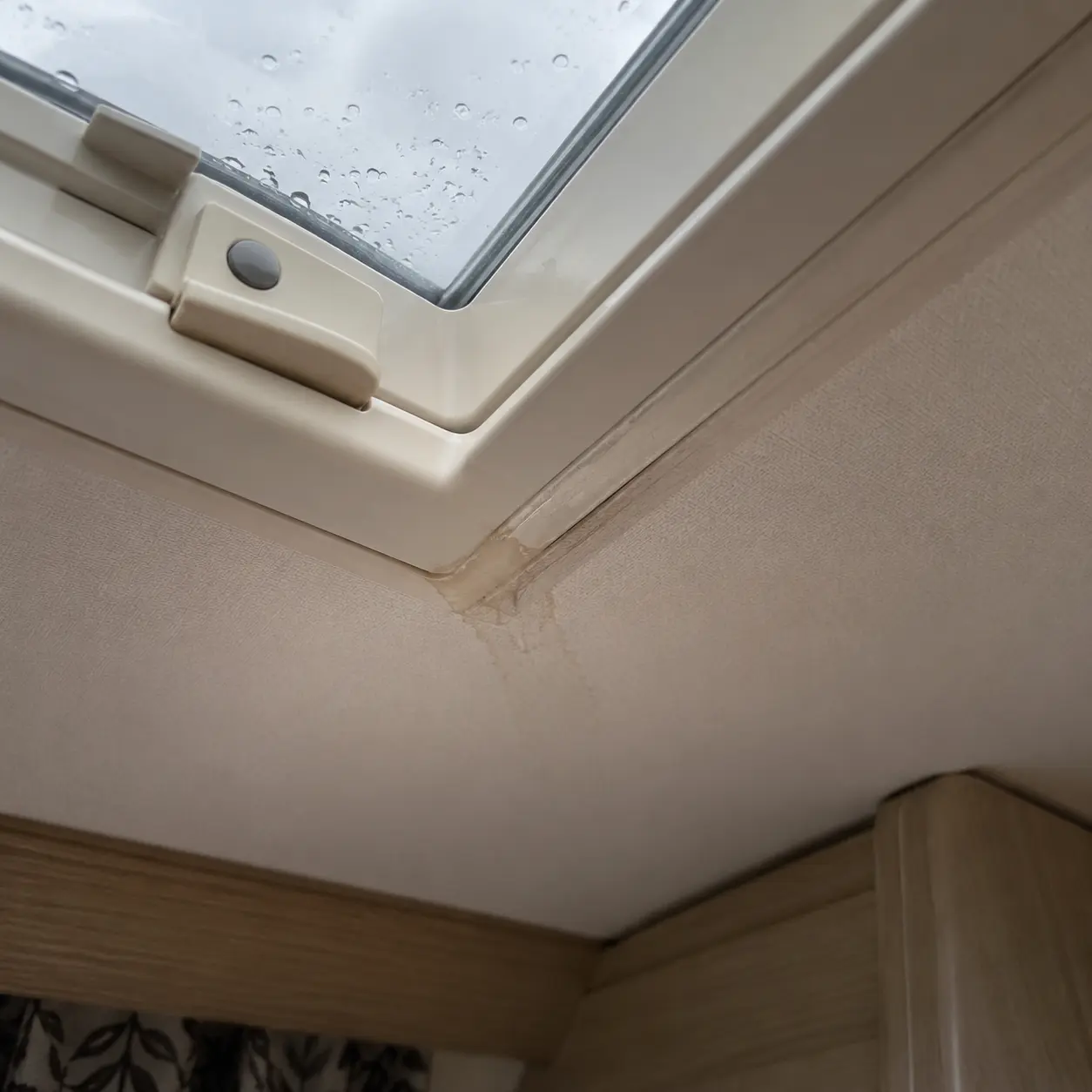
A leaking roof vent needs prompt investigation. Water entering the roof structure can lead to staining, damaged fittings and damp.
Possible causes include:
- A failed seal between the frame and roof
- A cracked or distorted outer dome
- Loose or damaged fixings
- A damaged frame
- Blocked drainage channels
- Debris preventing complete closure
- Water driven beneath an open vent by strong wind
Water may travel within the roof before becoming visible. Therefore, the first damp patch may not sit directly below the entry point.
What to Do If a Roof Vent Leaks
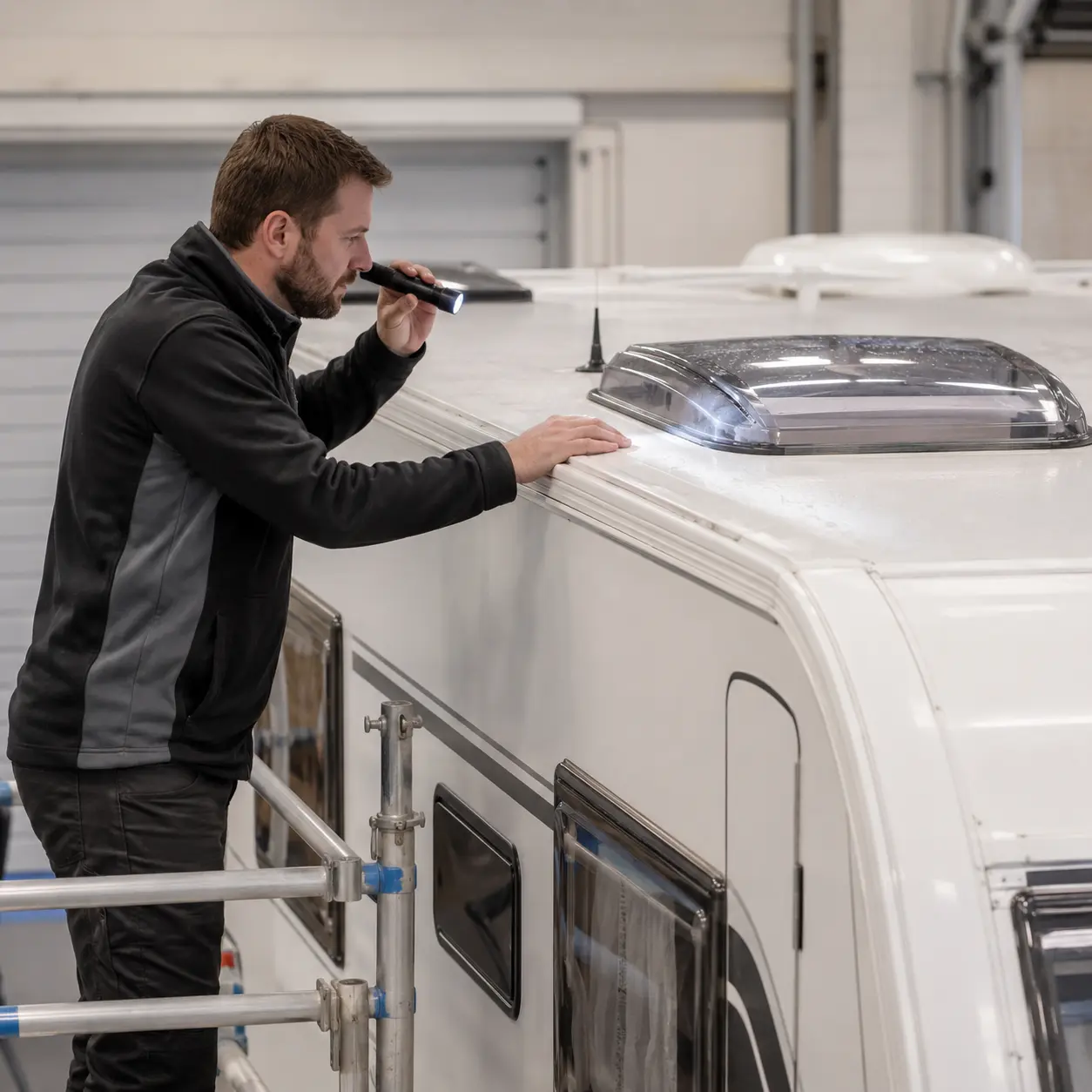
Close the vent and dry the visible water. If possible, protect the caravan from further rain without blocking permanent ventilation.
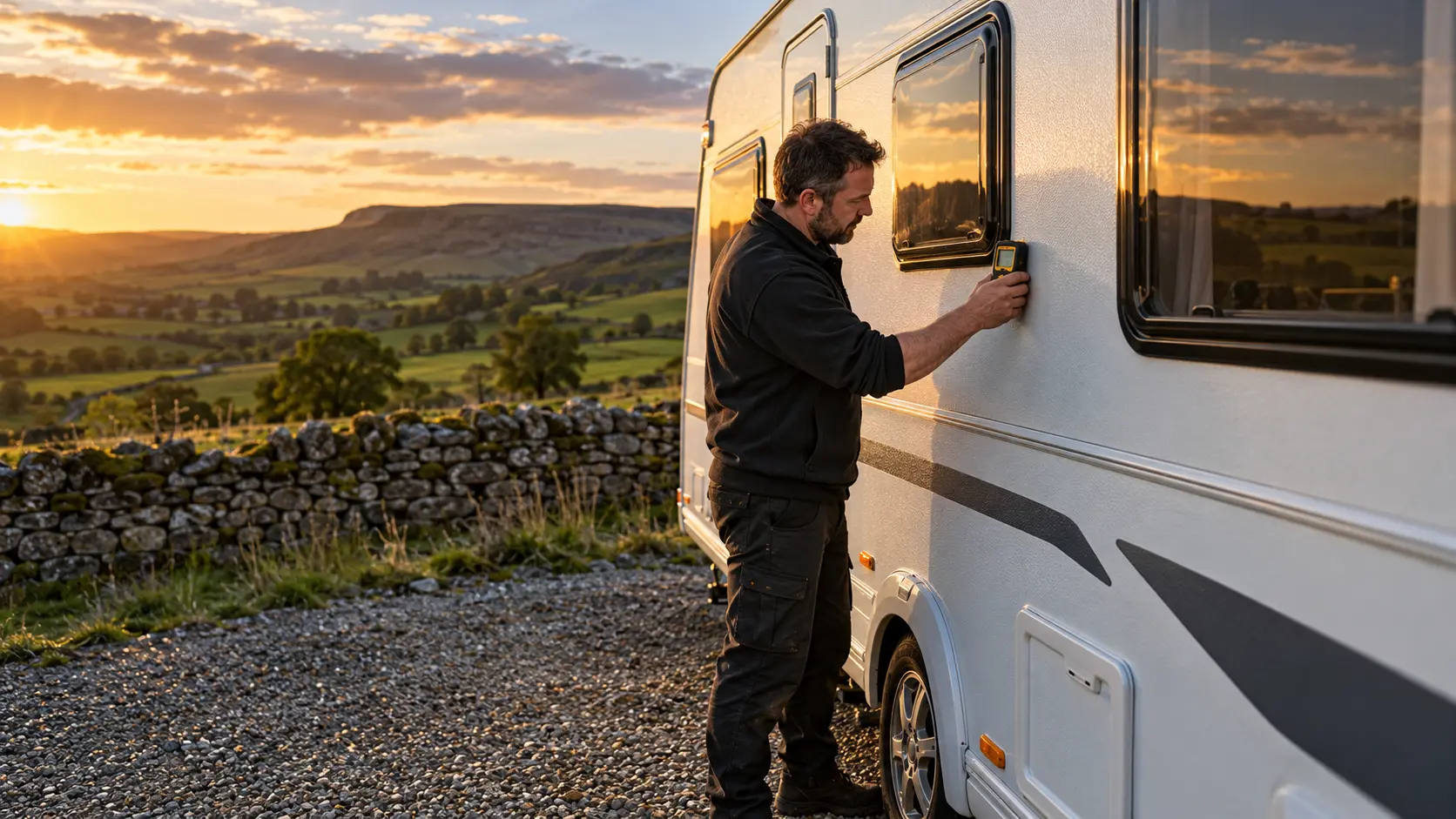
Next, arrange a proper inspection. A technician may need to check the roof structure with a damp meter.
Adding sealant around the visible edge may hide the symptom without fixing the cause. It can also make a later repair more difficult.
If resealing is required, the rooflight may need to be removed completely. The old sealing material must then be cleaned away before the correct product is applied.
A poor repair can trap water or damage the roof. For that reason, professional resealing is sensible if you lack the correct tools and experience.
Condensation Inside a Double-Skinned Rooflight
Moisture can sometimes appear within a double-skinned acrylic dome. This does not always mean that rainwater has entered the caravan.
Temperature differences may cause moisture to form between the layers. Some rooflights include small openings that allow pressure to equalise.
Do not seal small factory-made openings without checking their purpose. Blocking them may prevent the rooflight from working as designed.
Persistent moisture, staining or water dripping into the caravan needs further investigation. Check the product guidance or ask a specialist to inspect it.
Can You Replace a Caravan Roof Vent Yourself?
A competent owner may be able to replace a straightforward rooflight. However, the job involves more than matching its visible dimensions.
You need to confirm:
- The exact roof aperture size
- The caravan roof thickness
- The required ventilation specification
- The correct internal frame or fitting kit
- The approved sealing material
- The position of wiring or roof supports
- Any warranty requirements
A replacement rooflight must provide the correct level of ventilation. Never replace a permanently ventilated model with a non-ventilated version without professional confirmation.
The roof must also remain structurally sound and watertight. Incorrect fitting pressure can distort the frame, while unsuitable sealant can cause leaks.
If the repair involves cutting the roof, electrical wiring or existing damp, use a qualified caravan workshop. Professional fitting may also protect your caravan’s warranty.
Choosing a Replacement Roof Vent
Begin by identifying the manufacturer and model of the existing rooflight. A label or moulded reference may appear on the frame or dome.
Do not measure only the external cover. Rooflights are normally matched by the size of the opening cut into the roof.
Consider these features when choosing a replacement:
- Permanent ventilation or non-ventilated design
- Roof aperture dimensions
- Compatible roof thickness
- Manual or electric operation
- Clear, tinted or opaque dome
- Integrated blackout blind
- Built-in flyscreen
- Maximum opening angle
- Availability of replacement parts
A larger rooflight cannot usually replace a smaller one without altering the roof opening. That work may affect supports, wiring and the caravan’s structure.
Should Roof Vent Blinds Stay Closed in Storage?
Leaving a blackout blind fully closed for long periods can place tension on its mechanism. Heat can also build up between the blind and dome during sunny weather.
Many manufacturers advise leaving blinds open when they are not needed. However, you should check the instructions for your particular rooflight.
During storage, keep the caravan’s permanent ventilation clear. Never cover fixed vents with insulation, fabric or storage items.
When Should a Roof Vent Be Replaced?
There is no single replacement interval for every rooflight. Its condition matters more than its age alone.
Replacement may be necessary when:
- The dome is cracked or brittle
- The frame is distorted
- The opening mechanism has failed
- Suitable spare parts are unavailable
- The rooflight repeatedly leaks after proper investigation
- The blind and flyscreen assembly is beyond repair
- An upgrade is needed for improved light or ventilation
Damage should be assessed promptly. A secure and watertight rooflight protects both the caravan interior and its roof structure.
Frequently Asked Questions About Caravan Roof Vents
Should caravan roof vents always be left open?
No. Opening them can improve airflow while the caravan is occupied. However, they may need to be closed during rain, strong winds and travel.
Permanent ventilation should remain unobstructed, even when the opening dome is closed.
Can you tow with a caravan roof vent open?
Opening rooflights should be fully closed and secured before towing. An open or unsecured dome can lift and suffer serious damage.
Why does my caravan roof vent leak?
Possible causes include a failed seal, cracked dome, damaged frame or debris around the closing edge. Wind-driven rain can also enter through an open rooflight.
Can I use silicone around a leaking roof vent?
Do not apply general-purpose silicone without checking the manufacturer’s instructions. The wrong product may not bond correctly and can make future repairs difficult.
How often should caravan roof vents be checked?
Check their operation before trips and inspect them during routine cleaning. They should also form part of servicing and habitation inspections.
Do caravan roof vents help with condensation?
Yes. Opening a roof vent allows warm, moist air to escape. However, you should also reduce indoor moisture and keep all permanent ventilation clear.
Why will my caravan roof vent not close?
Leaves or twigs may be trapped between the dome and frame. The mechanism may also be dirty, misaligned or damaged.
Can I replace only the roof vent dome?
Replacement domes are available for many models. You must identify the exact rooflight because similar-looking domes may use different hinges and fixings.
Are caravan roof vents waterproof?
A closed and correctly fitted rooflight should prevent normal rainwater entry. However, damage, failed seals or poor installation can cause leaks.
Are caravan and motorhome roof vents the same?
Many products suit both caravans and motorhomes. Nevertheless, aperture size, roof thickness and ventilation requirements must match the vehicle.
Final Thoughts
Caravan roof vents are easy to overlook, yet they have an important job. They provide natural light, release warm air and help control moisture inside the caravan.
Keep each vent clean and operate it gently. Always secure opening rooflights before towing and never obstruct permanent ventilation.
Regular checks can reveal cracked domes, stiff mechanisms and early signs of water entry. If you find a leak or structural damage, arrange a professional inspection before the problem becomes more serious.